


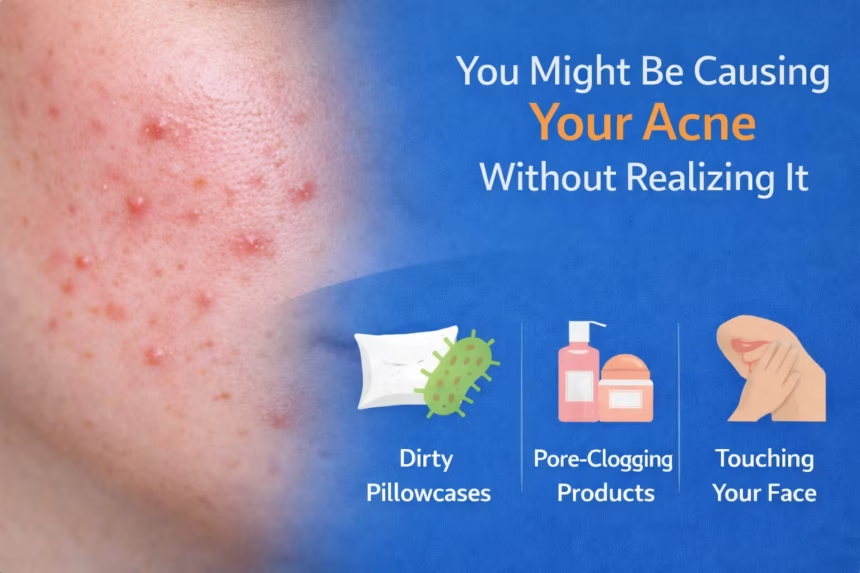
Acne is one of the most common skin conditions worldwide but here’s the surprising truth: many people unknowingly trigger their own acne daily.
If you’ve been using products, following routines, or even eating “healthy,” yet still dealing with breakouts there’s a reason behind it.
This guide explains what causes acne, backed by dermatology insights, so you can stop guessing and start fixing the root problem.
AI Summary
Acne is primarily caused by a combination of:
- Excess oil (sebum) production
- Clogged pores
- Bacteria (Cutibacterium acnes)
- Inflammation
Triggers include hormones, diet, stress, skincare mistakes, and lifestyle habits. Understanding the root cause helps choose the right treatment.
What Is Acne?
Acne is a skin condition where hair follicles become clogged with oil and dead skin cells. This leads to:
- Whiteheads
- Blackheads
- Pimples
- Cysts
If you want a deeper breakdown, explore our complete guide on /acne/.
Main Causes of Acne
Let’s break down the real causes not myths.
1. Excess Oil (Sebum) Production
Your skin naturally produces oil to stay hydrated. But when oil production increases:
- Pores get clogged
- Dirt and bacteria accumulate
- Pimples form
Why it matters:
Oily skin doesn’t mean dirty skin it means overactive sebaceous glands.
Common triggers:
- Hormonal changes
- Genetics
- Humid weather
2. Clogged Pores
Dead skin cells don’t shed properly and mix with oil.
This creates:
- Blocked pores
- Blackheads and whiteheads
- Ideal environment for acne
Hidden mistake:
Over-exfoliating can worsen this problem instead of fixing it.
Using ingredients like /ingredients/salicylic-acid/ may help unclog pores effectively.
3. Bacteria Growth
A bacteria called Cutibacterium acnes naturally lives on your skin.
When pores are clogged:
- Bacteria multiply rapidly
- Infection occurs
- Red, painful acne develops
4. Hormonal Changes
One of the biggest causes of acne especially in:
- Teenagers
- Women during periods
- Pregnancy
- PCOS
How hormones affect acne:
Hormones like androgens increase oil production.
Real example:
You may notice breakouts before your period—that’s hormonal acne.
5. Diet & Food Triggers
Your diet may influence acne more than you think.
Common acne-triggering foods:
- High sugar foods
- Dairy products
- Processed snacks
Why:
These can spike insulin levels, increasing oil production and inflammation.
6. Stress & Lifestyle
Stress doesn’t directly cause acne—but it worsens it significantly.
What happens:
- Stress hormones increase oil production
- Skin healing slows down
Signs:
- Sudden breakouts during exams or deadlines
7. Wrong Skincare Products
Using the wrong products is one of the most overlooked causes.
Common mistakes:
- Using heavy creams on oily skin
- Not removing makeup
- Overusing active ingredients
Solution:
Look for:
- Non-comedogenic products
- Lightweight formulations
Ingredients like /ingredients/niacinamide/ may help balance oil and reduce inflammation.
8. Poor Hygiene Habits
Small daily habits can trigger acne:
- Dirty pillowcases
- Touching face frequently
- Using unclean makeup brushes
These introduce bacteria directly to your skin.
9. Genetics
If your parents had acne, you’re more likely to experience it.
You can’t change genetics—but you can control triggers and treatment.
10. Environmental Factors
Pollution, humidity, and sweat can clog pores.
Example:
If you live in a polluted city, your skin collects more dirt → higher acne risk.
Types of Acne (Quick Overview)
| Type | Cause | Appearance |
| Blackheads | Open clogged pores | Dark spots |
| Whiteheads | Closed clogged pores | Small white bumps |
| Papules | Inflammation | Red bumps |
| Cysts | Deep infection | Painful swelling |
Acne vs Other Skin Issues
Sometimes acne is confused with:
- /pigmentation/ (dark spots after acne)
- /hair-fall/ issues (hormonal imbalance link)
Understanding the difference helps avoid wrong treatments.
Key Takeaways
- Acne is caused by oil, clogged pores, bacteria, and inflammation
- Hormones, diet, and stress play a major role
- Wrong skincare can worsen acne
- Prevention is about controlling triggers, not just treating pimples
When Should You See a Dermatologist?
Consult a dermatologist if:
- Acne is severe or painful
- Leaves scars or pigmentation
- Doesn’t improve with OTC products
- Sudden adult acne appears
Professional treatments may include:
- Prescription creams
- Chemical peels
- Oral medications
Practical Skincare Tips That May Help
- Cleanse face twice daily
- Avoid touching your face
- Use non-comedogenic products
- Maintain a balanced diet
- Manage stress
Soft Recommendation (Monetization)
You may consider:
- Salicylic acid face wash for oily skin
- Niacinamide serum for oil control
- Lightweight gel moisturizers
FAQ Section
What is the main cause of acne?
The main cause of acne is clogged pores due to excess oil, dead skin cells, and bacteria.
Can diet cause acne?
Yes, high sugar and dairy may trigger acne in some individuals.
Does stress cause acne?
Stress can worsen acne by increasing oil production and inflammation.
How can I prevent acne naturally?
Maintain good hygiene, eat balanced meals, manage stress, and use suitable skincare.
Is acne permanent?
No, acne can be managed and treated effectively with proper care.
When should I see a doctor for acne?
If acne is severe, painful, or leaves scars, consult a dermatologist.
Disclaimer
This content is for informational purposes only and is not a substitute for professional medical advice. Always consult a qualified dermatologist or healthcare provider before starting any treatment.