


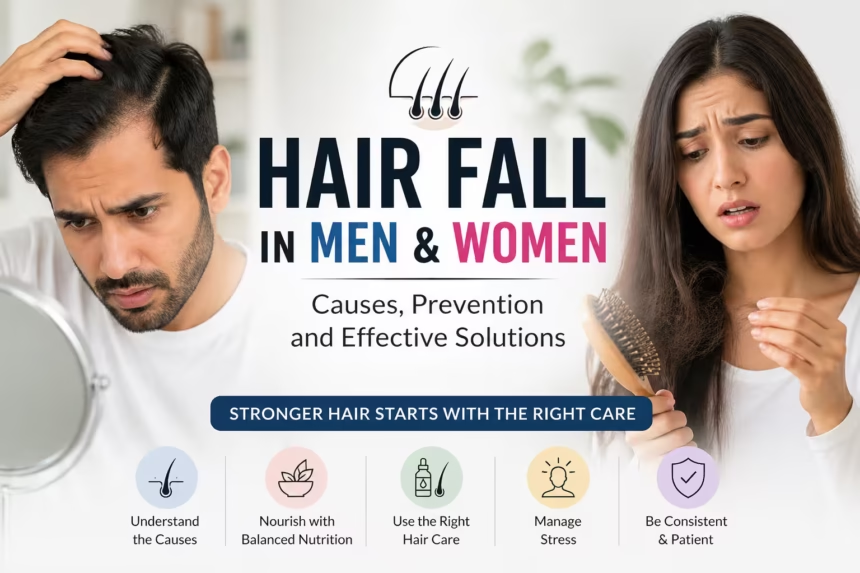
Hair fall is something almost everyone experiences but the way it shows up in men vs women is surprisingly different.
You might notice a receding hairline in men, while women often complain of overall thinning. This isn’t random. Hair fall in men women is driven by different biological, hormonal, and lifestyle factors.
If you’ve ever wondered why your hair loss pattern looks different from someone else’s, this guide will explain everything clearly without confusion.
Quick Answer
Hair fall in men and women differs mainly in pattern and causes.
- Men typically experience receding hairlines and bald patches due to hormones like DHT.
- Women usually face diffuse thinning across the scalp, often linked to stress, hormones, or nutritional deficiencies.
Both can be treated, but the approach varies.
What is Hair Fall?
Hair fall refers to excessive shedding of hair beyond the normal daily range (50–100 strands).
It may occur due to:
- Hormonal changes
- Genetics
- Stress
- Nutritional deficiencies
- Medical conditions
For deeper understanding, explore our complete guide on <a href=”/hair-fall/”>hair fall causes and solutions</a>.
Hair Fall Men Women: Key Differences
1. Hair Loss Pattern
Men:
- Receding hairline
- Bald spots (especially crown area)
- Eventually complete baldness
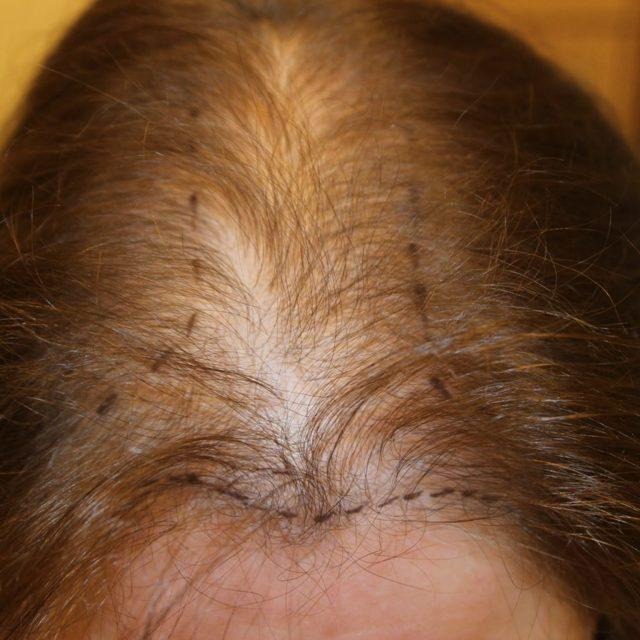
Women:
- Thinning across scalp
- Wider parting
- Rarely complete baldness
2. Hormonal Influence
Hair fall in men women is heavily influenced by hormones.
Men:
- Driven by DHT (Dihydrotestosterone)
- Shrinks hair follicles over time
Women:
- Influenced by:
- Estrogen levels
- Pregnancy or menopause
- PCOS
3. Age of Onset
- Men: Can start as early as 18–25
- Women: More common after 30 or post-pregnancy
4. Severity
- Men: Higher chances of permanent baldness
- Women: Mostly thinning, often reversible
Common Causes of Hair Fall in Men
1. Genetic Hair Loss (Androgenetic Alopecia)
Most common reason.
2. Hormonal Imbalance
High DHT levels shrink follicles.
3. Lifestyle Factors
- Smoking
- Stress
- Poor diet
4. Scalp Conditions
Dandruff or infections can worsen hair fall.
Common Causes of Hair Fall in Women
1. Hormonal Changes
- Pregnancy
- Thyroid issues
- Menopause
2. Nutritional Deficiencies
- Iron
- Vitamin D
- Protein
3. Stress & Lifestyle
Chronic stress can trigger hair shedding.
Learn how stress affects skin and hair in our guide on <a href=”/acne/”>stress and acne connection</a>.
Hair Fall Men Women: Diagnosis Matters
Before starting treatment, identifying the root cause is critical.
A dermatologist may:
- Check scalp condition
- Recommend blood tests
- Evaluate lifestyle factors
Treatments for Hair Fall (Men vs Women)
Medical Treatments
Men:
- Minoxidil (topical)
- Finasteride (oral, prescription-based)
Women:
- Minoxidil
- Hormonal therapy (if required)
Natural Remedies
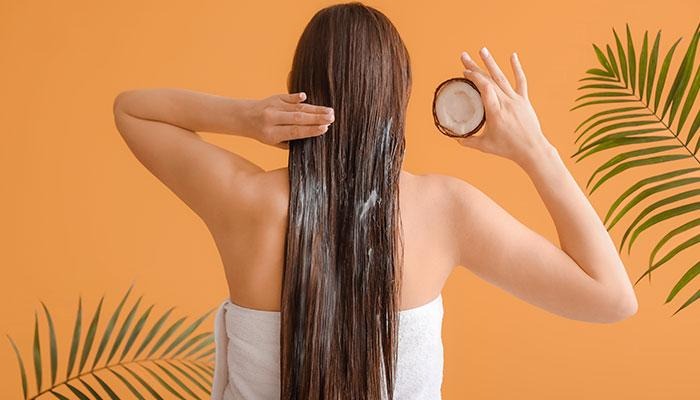

- Coconut oil massage
- Onion juice (may help stimulate growth)
- Aloe vera
- Balanced diet
Skincare Ingredients That May Help
Certain ingredients used in skincare also support scalp health:
- Niacinamide → improves scalp barrier
Learn more: <a href=”/ingredients/niacinamide/”>niacinamide benefits</a> - Salicylic Acid → helps reduce scalp buildup
Learn more: <a href=”/ingredients/salicylic-acid/”>salicylic acid uses</a>
When to See a Doctor
Consult a dermatologist if:
- Sudden excessive hair fall
- Patchy bald spots
- Hair fall with itching or pain
- Hair loss after illness or medication
Hair Care Tips That Work for Both
- Use mild shampoo (2–3 times/week)
- Avoid tight hairstyles
- Reduce heat styling
- Maintain protein-rich diet
- Manage stress
Comparison Table: Hair Fall Men vs Women
| Factor | Men | Women |
| Pattern | Receding hairline | Diffuse thinning |
| Cause | DHT hormone | Hormones + deficiency |
| Baldness | Common | Rare |
| Age | Early onset | Later onset |
| Treatment | Hormonal + topical | Lifestyle + topical |
Key Takeaways
- Hair fall in men women differs mainly in pattern and cause
- Men face baldness, women face thinning
- Hormones play a major role
- Early treatment improves results
- Lifestyle and nutrition are equally important
FAQs
1. Is hair fall more common in men or women?
Hair fall occurs in both, but men are more likely to experience baldness.
2. Can women go completely bald?
It is rare. Most women experience thinning rather than full baldness.
3. Is hair fall reversible?
In many cases, yes—especially if caused by stress or deficiency.
4. Does stress cause hair fall?
Yes, stress can trigger temporary hair shedding.
5. Which vitamin deficiency causes hair fall?
Iron, Vitamin D, and B12 deficiencies are common causes.
6. Can diet improve hair growth?
A balanced diet rich in protein and vitamins can improve hair health.