


If you’ve ever noticed white flakes on your shoulders, you’ve probably wondered: Is this dandruff or just dry scalp?
The confusion between dandruff vs dry scalp is extremely common and treating the wrong condition can actually make it worse.
Here’s the truth: while both cause flaking, they are completely different problems with different causes, symptoms, and treatments.
Understanding the difference is the first step to fixing it permanently.
Quick Answer (Featured Snippet Ready)
Dandruff vs dry scalp difference:
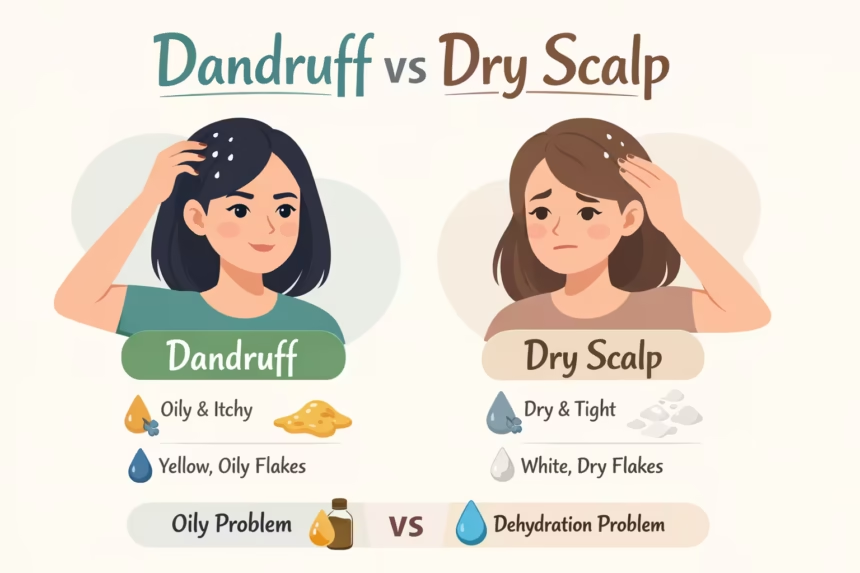
- Dandruff is caused by excess oil and a yeast-like fungus, leading to oily, yellowish flakes and itching.
- Dry scalp is caused by lack of moisture, resulting in small, dry white flakes and tightness.
Key distinction:
Dandruff = oily scalp problem
Dry scalp = dehydration problem
What Is Dandruff?
Dandruff is a common scalp condition linked to excess oil production and fungal overgrowth (often Malassezia yeast).
Symptoms of Dandruff:
- Yellow or white oily flakes
- Persistent itching
- Red or irritated scalp
- Greasy hair roots
Why It Happens:
- Overactive oil glands
- Fungal imbalance
- Hormonal changes
- Stress and poor scalp hygiene
It is closely related to conditions like seborrheic dermatitis, which can be more severe.
What Is Dry Scalp?
Dry scalp happens when your scalp lacks moisture, similar to dry skin on your face or hands.
Symptoms of Dry Scalp:
- Small, powdery white flakes
- Tight or itchy feeling
- No oiliness
- Often worse in winter
Why It Happens:
- Cold weather
- Overwashing hair
- Harsh shampoos
- Dehydration
Dandruff vs Dry Scalp: Side-by-Side Comparison
| Feature | Dandruff | Dry Scalp |
| Cause | Excess oil + fungus | Lack of moisture |
| Flakes | Oily, yellowish | Dry, white, powdery |
| Itching | Moderate to severe | Mild to moderate |
| Scalp Type | Oily | Dry |
| Hair Condition | Greasy roots | Dry hair |
| Treatment | Anti-dandruff shampoos | Hydration & gentle care |
How to Identify Your Condition (Practical Test)
Try this simple self-check:
Step 1: Observe Flakes
- Sticky, clumpy → Dandruff
- Light, powdery → Dry scalp
Step 2: Check Scalp Feel
- Greasy → Dandruff
- Tight/dry → Dry scalp
Step 3: Timing
- Year-round → Dandruff
- Winter worse → Dry scalp
Causes Deep Dive (Why It Matters)
1. Oil Imbalance (Dandruff)
Excess sebum feeds fungus, leading to flaking.
2. Skin Barrier Damage (Dry Scalp)
Lack of hydration weakens the skin barrier.
3. Product Overuse
Harsh shampoos can trigger both conditions.
Using ingredients like niacinamide (see: /ingredients/niacinamide/) may help balance oil and soothe the scalp.
Best Treatments for Dandruff
1. Medicated Shampoos
Look for:
- Ketoconazole
- Zinc pyrithione
- Selenium sulfide
2. Exfoliating Ingredients
Salicylic acid (learn more: /ingredients/salicylic-acid/) can help remove buildup.
3. Lifestyle Fixes
- Wash regularly (2–3 times/week)
- Reduce stress
- Avoid heavy oils on scalp
Best Treatments for Dry Scalp
1. Hydrating Shampoos
- Sulfate-free
- Moisture-rich formulas
2. Natural Oils
- Coconut oil
- Argan oil
3. Reduce Washing Frequency
Overwashing strips natural oils.
Common Mistakes (That Make It Worse)
- Using anti-dandruff shampoo on dry scalp
- Applying heavy oils on dandruff (feeds fungus)
- Ignoring scalp care altogether
- Overwashing hair daily
When to See a Dermatologist
Consult a professional if:
- Flaking doesn’t improve after 4 weeks
- Severe redness or inflammation
- Hair loss occurs (see: /hair-fall/)
- Scalp pain or infection signs
Connection With Other Skin Conditions
Scalp health is often linked to overall skin conditions like:
- Acne flare-ups (see: /acne/)
- Pigmentation issues (see: /pigmentation/)
A balanced skincare routine supports both scalp and skin health.
Key Takeaways
- Dandruff vs dry scalp is not the same problem
- Dandruff = oil + fungus
- Dry scalp = dehydration
- Wrong treatment can worsen symptoms
- Identify your scalp type before choosing products
FAQs
1. How do I know if I have dandruff or dry scalp?
Dandruff usually has oily flakes and itching, while dry scalp produces small, dry flakes with tightness.
2. Can dandruff turn into dry scalp?
No, but improper treatment can worsen scalp condition and cause additional dryness.
3. Is oiling good for dandruff?
Not always. Oils may worsen dandruff by feeding fungus.
4. Which shampoo is best for dandruff vs dry scalp?
Anti-fungal shampoos for dandruff; hydrating shampoos for dry scalp.
5. Can stress cause dandruff?
Yes, stress may worsen dandruff by increasing oil production.
6. How long does it take to fix dandruff or dry scalp?
With proper treatment, improvement may be seen within 2–4 weeks.